
In an era where digital transformation is no longer optional, Kenyan businesses face a critical decision: which Enterprise Resource Planning (ERP) system will power their growth? With the right ERP solution, organizations can unify operations, eliminate data silos, and make smarter decisions faster. With the wrong one, they risk costly implementation failures, vendor lock-in, and systems that can't scale with their ambitions.
At Fanisitech Limited, a certified Microsoft Partner specializing in ERP implementation across East Africa, we have guided dozens of organizations through this exact decision. In this article, we compare the top 10 ERP providers in Kenya — and explain, with clear evidence, why Microsoft Dynamics 365 consistently emerges as the gold standard for businesses of every size in the Kenyan market.
Whether you are a growing SME in Nairobi, a manufacturing firm in Mombasa, or a financial services company scaling across the region, this guide will help you make an informed, confident choice.
What Is ERP Software and Why Does It Matter?
Enterprise Resource Planning (ERP) software is an integrated suite of business applications that connects core functions such as finance, human resources, supply chain, procurement, sales, and operations into a single unified platform. Rather than managing separate disconnected systems — a spreadsheet here, a standalone accounting tool there — an ERP gives your entire organization a shared view of real-time data.
For Kenyan businesses, the value of a well-implemented ERP goes far beyond process automation. It means:
- Faster, data-driven decision making at every level of the business
- Compliance with Kenya Revenue Authority (KRA) requirements and local tax regulations
- Seamless scalability as your business expands regionally or globally
- Reduced operational costs through elimination of manual processes and duplication
- Improved customer experience through better visibility into orders, inventory, and service delivery
- Stronger audit trails and corporate governance capabilities
The question is not whether your business needs an ERP — in today's competitive landscape, it does. The question is which ERP provider will deliver the most value, reliability, and long-term partnership for your specific context.
Top 10 ERP Providers in Kenya: At a Glance
The table below summarizes the top ERP solutions available to Kenyan businesses today, ranked based on functionality, local support, integration capabilities, scalability, and overall value:
| Rank | ERP Provider | Deployment | Best For |
|---|---|---|---|
| 1 ★ | Microsoft Dynamics 365 | Cloud / Hybrid | All business sizes — unmatched integration, AI, and local support via Fanisitech |
| 2 | SAP ERP | On-premise / Cloud | Large enterprises with complex global operations |
| 3 | Oracle ERP Cloud | Cloud | Enterprise-level analytics and AI-driven workflows |
| 4 | Sage 300 / Sage X3 | Cloud / On-premise | SMEs focused on accounting and financial management |
| 5 | Odoo | Cloud / On-premise | Startups and SMEs needing open-source flexibility |
| 6 | ERPNext | Cloud / On-premise | Cost-conscious startups and NGOs |
| 7 | Infor CloudSuite | Cloud | Manufacturing and healthcare industries |
| 8 | Tally ERP 9 | On-premise | Micro and small businesses — basic accounting |
| 9 | Zoho ERP | Cloud | Small businesses already using Zoho ecosystem |
| 10 | Epicor | Cloud / On-premise | Retail and distribution businesses |
1. Microsoft Dynamics 365 — The Clear Market Leader
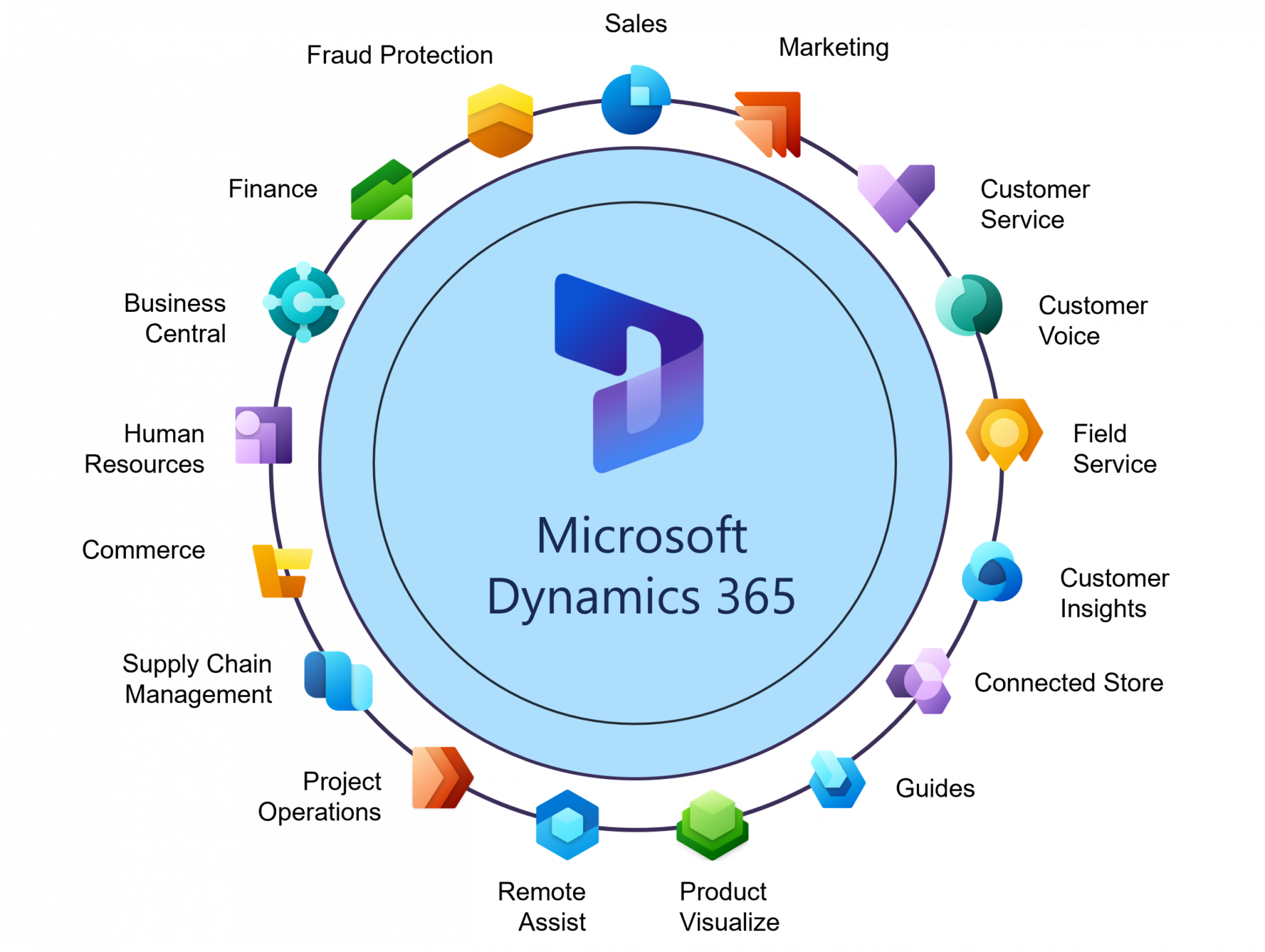
When it comes to ERP solutions in Kenya, Microsoft Dynamics 365 does not just lead the pack — it sets a category of its own. For businesses that want enterprise-grade capabilities, deep integration with tools they already use, and a globally supported platform with local implementation expertise, Dynamics 365 is the definitive answer.
Why Microsoft Dynamics 365 Stands Apart
Microsoft Dynamics 365 is far more than a traditional ERP. It is a unified business platform that brings together ERP, CRM, business intelligence, and AI capabilities into one seamlessly connected ecosystem. Here is what makes it the top-ranked solution for Kenyan businesses:
- Native Microsoft Integration: If your organization uses Microsoft 365 — Outlook, Teams, Excel, SharePoint, or Power BI — Dynamics 365 connects directly with all of these without complex third-party middleware. Your team works within the tools they already know, dramatically reducing the learning curve and driving faster adoption.
- AI-Powered Intelligence: Dynamics 365 is built with Microsoft Copilot — an AI assistant that can automate routine tasks, generate financial reports, flag supply chain risks, and surface actionable insights in plain language. This is not future technology; it is available today.
- Scalability Across Business Sizes: Whether you are a 20-person SME or a 2,000-employee enterprise, Dynamics 365 scales to match your needs. You can start with core finance modules and add manufacturing, supply chain, HR, or field service as your business grows.
- Cloud-First Architecture: Built on Microsoft Azure, Dynamics 365 delivers enterprise-grade security, 99.9% uptime SLA, automatic updates, and the ability to access your business from anywhere. This is critical for businesses operating across multiple Kenyan counties or East African countries.
- Regulatory and Compliance Readiness: Microsoft regularly updates Dynamics 365 for KRA compliance, VAT requirements, and local payroll regulations — ensuring your ERP keeps pace with Kenya's evolving regulatory environment.
- Power Platform Integration: Dynamics 365 connects with Power Automate, Power Apps, and Power BI, allowing businesses to build custom workflows, mobile apps, and dashboards without expensive custom development.
Fanisitech Limited: Your Certified Dynamics 365 Partner in Kenya
As a certified Microsoft Partner, Fanisitech Limited brings deep technical expertise and local business knowledge to every Dynamics 365 implementation. We do not just install software — we work closely with your leadership and operations teams to configure the system around your specific workflows, industry requirements, and growth ambitions.
Our implementation methodology covers full needs assessment, data migration, user training, post-go-live support, and continuous optimization. Businesses that partner with Fanisitech benefit from the combined strength of Microsoft's global platform and our team's on-the-ground understanding of the Kenyan business environment.
From retail chains in Nairobi to agricultural companies in the Rift Valley, manufacturing firms in Athi River to financial services providers in Westlands — Fanisitech has delivered successful Dynamics 365 implementations across sectors and business sizes.
2. SAP ERP
SAP is a globally recognized name in enterprise software, and for large organizations with highly complex, multi-country operations, it remains a powerful option. SAP S/4HANA, its modern cloud-based offering, provides deep functionality across finance, logistics, procurement, and manufacturing.
However, SAP comes with significant trade-offs that make it less suitable for most Kenyan businesses. Implementation costs are considerably higher than Dynamics 365, often running into tens of millions of shillings for large deployments. The complexity of SAP also means longer implementation timelines, heavier dependence on expensive specialized consultants, and a steeper learning curve for end users. For businesses without a large dedicated IT department, SAP's total cost of ownership can be prohibitive.
3. Oracle ERP Cloud
Oracle ERP Cloud is a sophisticated, AI-enabled platform well-suited to enterprises that need advanced analytics, financial management, and global supply chain capabilities. It competes directly with SAP at the enterprise tier and is popular with multinational corporations and large Kenyan conglomerates.
For mid-market and growing Kenyan businesses, Oracle can be over-engineered and expensive. Its licensing model, implementation complexity, and limited local partner ecosystem in Kenya make it a challenging choice for organizations that need agile implementation and responsive support.
4. Sage 300 / Sage X3
Sage has carved a strong niche in the Kenyan market, particularly among small and medium enterprises focused on accounting and financial management. Sage 300 is straightforward to use, relatively affordable, and has decent local support through a network of resellers.
Where Sage shows its limitations is in breadth of functionality. As businesses grow beyond basic accounting into supply chain management, project tracking, field service, or multi-entity consolidation, Sage often requires additional third-party integrations that add cost and complexity. Dynamics 365 Business Central, Microsoft's SME-focused ERP offering, provides all of Sage's strengths plus far greater extensibility and the full Microsoft ecosystem — often at comparable price points.
5. Odoo
Odoo is an open-source ERP platform that has gained significant traction in Kenya, particularly among technology-savvy startups and SMEs looking for a cost-effective, customizable solution. Its modular structure means businesses can implement only the modules they need — CRM, inventory, accounting, project management — and expand over time.
The main caution with Odoo is the hidden cost of customization. While the base software is affordable or free (Community Edition), achieving enterprise-grade functionality typically requires the paid Enterprise Edition and significant customization work. Without a strong local implementation partner, Odoo projects can run over budget and timeline. Ongoing support and upgrade management also require in-house technical capacity that many Kenyan businesses do not have.
6. ERPNext
ERPNext is another open-source ERP that is popular in the nonprofit and startup sectors in Kenya. It covers a broad range of business functions and, as a fully free platform, it has zero software licensing cost — making it attractive for organizations with very tight budgets.
The trade-offs are meaningful: ERPNext has a smaller support ecosystem in Kenya, less polish in its user interface compared to enterprise platforms, and limited AI or advanced analytics capabilities. For growing businesses that anticipate scaling significantly, ERPNext may become a constraint rather than an enabler within a few years.
7. Infor CloudSuite
Infor specializes in industry-specific ERP solutions, with particular strength in manufacturing, healthcare, and distribution. Its CloudSuite products are designed to meet the unique operational needs of these verticals and include industry-specific workflows out of the box.
In Kenya, Infor is used by a small number of large manufacturers and healthcare organizations. Its limited local partner network and high implementation costs make it a niche choice rather than a broadly accessible solution for the Kenyan market.
8. Tally ERP 9
Tally ERP 9 has been a mainstay for small businesses in Kenya for years, valued for its simplicity, affordability, and strong accounting capabilities. It requires minimal IT infrastructure and can be up and running quickly, which appeals to micro and small businesses.
Tally's limitations become apparent as businesses grow. It was not designed for cloud-first operations, its integration capabilities are limited, and it lacks the broad operational management features that growing businesses need. Many businesses that start on Tally find themselves migrating to a more capable platform within two to three years.
9. Zoho ERP
Zoho offers a suite of business applications — including Zoho Books, Zoho Inventory, and Zoho Creator — that together approximate ERP functionality. For small businesses already using Zoho CRM or Zoho Mail, there is a natural pull toward the broader Zoho ecosystem.
Zoho's weakness is its fragmented architecture. Unlike purpose-built ERP systems where data flows seamlessly across all modules, Zoho's suite requires careful configuration to achieve similar integration, and gaps emerge quickly as business processes become more complex. It is a reasonable starter option but rarely the right long-term foundation.
10. Epicor
Epicor provides ERP solutions with strong capability in retail, distribution, and manufacturing verticals. It is a mature, feature-rich platform with a global install base.
In Kenya, Epicor has limited local presence and partner support, which creates challenges for implementation and ongoing maintenance. Businesses considering Epicor should carefully assess the availability of local expertise and support before committing.
How to Choose the Right ERP Software for Your Business
With so many options on the market, narrowing your choice requires a structured evaluation. Based on our experience implementing ERP systems across Kenya, Fanisitech recommends evaluating every provider against these critical criteria:
1. Total Cost of Ownership
Do not evaluate ERP software on licensing cost alone. The true cost includes implementation services, customization, user training, data migration, annual maintenance, and future upgrade costs. A platform that appears cheaper upfront can cost significantly more over a five-year period. Microsoft Dynamics 365's subscription-based model and Fanisitech's competitive implementation packages make it one of the best value propositions in the market.
2. Integration with Existing Tools
If your team uses Microsoft 365 tools — as the majority of Kenyan professional businesses do — then an ERP that integrates natively with Outlook, Teams, Excel, and SharePoint delivers enormous productivity benefits. Dynamics 365's native Microsoft integration is unmatched by any other platform in this comparison.
3. Scalability and Roadmap
Choose a platform that can grow with you. Consider not just where your business is today, but where you want it to be in five or ten years. Microsoft invests billions annually in Dynamics 365's development, including AI, automation, and cloud infrastructure — giving customers confidence that their ERP investment will keep pace with technology change.
4. Local Implementation Expertise
The best ERP software in the world delivers poor results if poorly implemented. Choose a provider with proven local expertise, a structured methodology, and a track record of successful deployments in Kenya. Fanisitech's team brings both Microsoft certification and deep Kenyan market experience to every project.
5. User Adoption and Ease of Use
An ERP that your team does not use is worthless. Platforms with familiar interfaces — like Dynamics 365, which shares the Microsoft 365 look and feel — achieve higher user adoption rates, faster time to value, and stronger return on investment.
6. Vendor and Partner Support
Consider the long-term support model. Is there a local partner who can respond quickly to issues, provide training, and support your team as the business evolves? As a Microsoft Partner, Fanisitech provides dedicated local support backed by Microsoft's global resources.
Conclusion: The Right Choice for Kenya's Business Future
Kenya's business landscape is dynamic, ambitious, and increasingly digital. Organizations that choose the right ERP platform today are positioning themselves to move faster, serve customers better, and compete more effectively — not just in Kenya, but across East Africa and beyond.
After a thorough comparison of the top 10 ERP providers in Kenya, Microsoft Dynamics 365 stands out as the clear leader. Its unmatched integration with the Microsoft ecosystem, AI-driven capabilities through Copilot, enterprise-grade security, flexible deployment options, and scalable architecture make it the most comprehensive and future-proof choice for Kenyan businesses.
What truly differentiates Dynamics 365 in the Kenyan market, however, is the availability of experienced local implementation partners. As a certified Microsoft Partner, Fanisitech Limited combines the power of Microsoft's global platform with deep local expertise — ensuring that your ERP implementation is not just technically successful, but genuinely transformative for your business.
We understand the unique challenges of operating in Kenya: local tax compliance, mobile money integration, multi-currency environments, connectivity variability, and the need for solutions that are practical for teams at all levels of technical experience. We build these considerations into every implementation we deliver.
Ready to Transform Your Business with Microsoft Dynamics 365?
Contact Fanisitech Limited today for a free consultation and discover how we can design a Dynamics 365 solution tailored to your business needs, industry, and budget.
www.fanisitech.co.ke | info@fanisitech.co.ke | +254743313103 | Office Number 718, 7th Floor,
KU PLAZA, Haile Sallassie Avenue,
Nairobi CBD
Latest Comments
No comments yet for this post. Be the first to comment
Comment on the blog "Top 10 ERP Software Providers in Kenya in …"