
Large universities operate like multi-layered enterprises rather than traditional institutions. They manage thousands to tens of thousands of students, multiple faculties, decentralized campuses, research institutes, hospital units (in medical universities), donor-funded programs, and government compliance frameworks. Each of these areas generates its own operational processes, data, and reporting requirements.
In many institutions, these functions are still supported by fragmented systems—separate tools for finance, HR, student records, procurement, and research management. This creates operational silos where information is duplicated, delayed, or inconsistent. Leadership teams often struggle to get a single, reliable view of institutional performance.
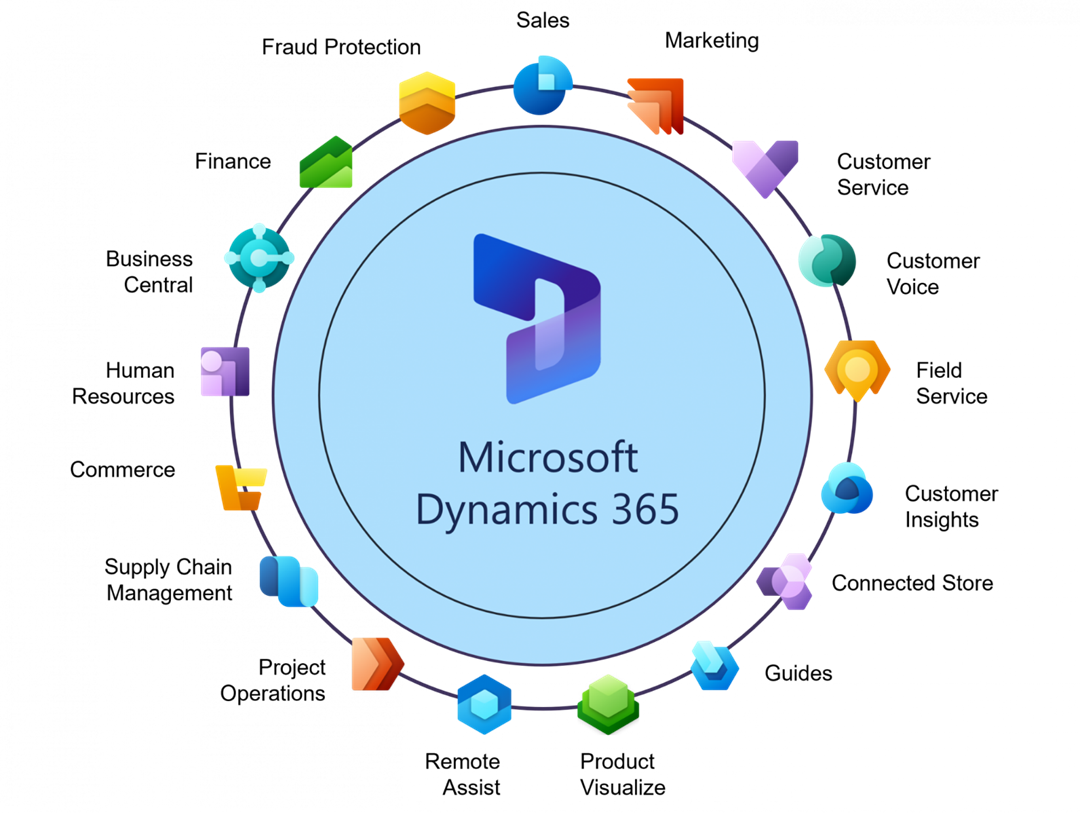
Microsoft Dynamics ERP addresses this challenge by providing a unified digital platform that connects all university operations into one integrated system. Instead of isolated departments, the university operates as a coordinated ecosystem where data flows seamlessly across functions in real time.
The result is not just automation, but institutional intelligence, efficiency, and control at scale.
1. Finance and Accounting: Strengthening Control, Transparency, and Accountability
Finance is the backbone of any large university. Institutions handle multiple revenue streams such as tuition fees, government capitation, donor funding, research grants, consultancy income, and commercial ventures. Managing these streams manually or across disconnected systems creates serious risks in reporting accuracy and compliance.
Key Microsoft Dynamics ERP Capabilities:
- Dynamics 365 Finance
- Budgeting and Forecasting
- General Ledger and Multi-fund Accounting
- Accounts Payable and Receivable Automation
- Grant and Project Financial Tracking
- Financial Consolidation Across Campuses
How It Streamlines Operations:
With Dynamics ERP, universities move from fragmented budgeting spreadsheets to a centralized financial control system. Each department or faculty operates within defined budget limits, while all expenditures are tracked in real time.
For example:
- A faculty requesting funds for a research project can have its budget checked instantly against available allocations.
- Donor funds can be ring-fenced and tracked separately to ensure compliance with funding conditions.
- Multi-campus institutions can consolidate financial reports without manual reconciliation.
Automated approval workflows ensure that financial requests follow institutional governance structures, reducing delays and unauthorized spending.
Additionally, real-time dashboards allow CFOs and finance directors to monitor cash flow, expenditure trends, and budget utilization instantly—supporting faster and more informed decision-making.
2. Human Resources and Payroll: Managing a Complex Academic Workforce
Universities employ a highly diverse workforce, including tenured professors, adjunct lecturers, researchers, administrative staff, and temporary project-based employees. Each category has different payroll structures, contract terms, and performance expectations.
Key Microsoft Dynamics ERP Capabilities:
- Dynamics 365 Human Resources
- Payroll Integration and Automation
- Recruitment and Onboarding Workflows
- Performance Management Systems
- Leave and Attendance Management
- Employee Self-Service Portals
How It Streamlines Operations:
HR departments often struggle with manual contract tracking and fragmented employee records. Dynamics ERP centralizes all employee data into a single system.
For instance:
- Recruitment workflows can be automated from job posting to onboarding.
- Academic contracts can be tracked with renewal alerts and performance-linked evaluations.
- Payroll can be processed automatically based on validated attendance, teaching load, or project involvement.
Self-service portals empower staff to manage their own HR requests—such as leave applications, document downloads, and personal data updates—reducing administrative workload.
Performance management tools allow universities to align staff development with institutional goals, ensuring that promotions, incentives, and training are data-driven rather than subjective.
3. Procurement and Supply Chain: Ensuring Efficiency and Financial Discipline
Procurement in large universities is highly complex. It includes laboratory equipment, ICT infrastructure, construction works, academic materials, catering services, and maintenance supplies. Without a centralized system, procurement processes can become slow, opaque, and vulnerable to inefficiencies.
Key Microsoft Dynamics ERP Capabilities:
- Procurement and Sourcing Module
- Vendor and Contract Management
- Inventory and Warehouse Management
- Purchase Requisition Workflows
- Approval Hierarchies and Controls
- Asset Lifecycle Management
How It Streamlines Operations:
Dynamics ERP introduces a structured procurement lifecycle—from requisition to payment. Every purchase request is routed through predefined approval chains based on budget, department, and procurement policies.
For example:
- A laboratory requesting equipment submits a digital requisition.
- The system automatically checks budget availability.
- Procurement officers can compare approved vendors and pricing histories.
- Once approved, purchase orders are generated automatically.
Vendor performance tracking ensures that universities work with reliable suppliers based on delivery timelines, quality, and cost efficiency.
Inventory systems ensure that assets and consumables are tracked across departments, reducing wastage and duplication of purchases.
4. Student Administration: Enhancing the Student Lifecycle Experience
Student administration is at the heart of university operations. It spans admissions, registration, fee management, course allocation, examinations, and graduation.
Key Microsoft Dynamics ERP Capabilities:
- Student Information System (SIS) Integration
- Admissions and Enrollment Workflows
- Fee Billing and Payment Tracking
- Academic Records Management
- Communication and Notification Systems
How It Streamlines Operations:
Dynamics ERP integrates student lifecycle processes into a single system.
For example:
- During admissions, student data automatically flows into finance for fee invoicing and into academic systems for course allocation.
- Fee payments are linked directly to student accounts, eliminating manual reconciliation.
- Academic records are updated in real time as students progress through their programs.
This integration reduces administrative delays and ensures students experience faster service delivery—from registration to graduation.
It also improves communication, as students receive automated notifications for deadlines, payments, and academic updates.
5. Research, Grants, and Project Management: Strengthening Academic Output
Research is a core pillar of large universities, often funded through government grants, international donors, and private partnerships. Managing these funds requires strict compliance and transparent reporting.
Key Microsoft Dynamics ERP Capabilities:
- Project Operations Module
- Grant Management Tracking
- Time and Resource Allocation Tools
- Milestone-Based Reporting
- Cost Tracking by Project Codes
How It Streamlines Operations:
Dynamics ERP allows universities to manage research projects as structured financial and operational entities.
For example:
- Each research grant is assigned a dedicated project code.
- Expenditures are tracked against approved budgets in real time.
- Staff time is allocated to specific research projects for accurate cost accounting.
- Milestone-based reporting ensures compliance with donor requirements.
This improves accountability and enhances the institution’s ability to attract future funding by demonstrating transparency and efficiency.
6. Facilities, Assets, and Campus Operations: Managing Physical Infrastructure Efficiently
Large universities operate extensive physical infrastructure, including lecture halls, laboratories, libraries, hostels, transport fleets, and sports facilities.
Key Microsoft Dynamics ERP Capabilities:
- Asset Management Module
- Facilities Maintenance Scheduling
- Work Order Management
- Preventive Maintenance Planning
- Lifecycle Asset Tracking
How It Streamlines Operations:
Instead of reactive maintenance, universities can implement preventive maintenance systems.
For example:
- HVAC systems in lecture halls can be scheduled for regular servicing.
- Maintenance requests from departments are logged digitally and tracked to resolution.
- Asset lifecycles are monitored from procurement to disposal.
This ensures better utilization of campus infrastructure, reduced downtime, and lower long-term maintenance costs.
7. Enterprise Integration: Creating a Fully Connected Digital University
The most powerful advantage of Microsoft Dynamics ERP is not individual modules, but its ability to integrate them into a unified system.
Integration Benefits:
- Single source of truth across all departments
- Real-time data sharing between finance, HR, academics, and procurement
- Unified dashboards for leadership decision-making
- Standardized workflows across multiple campuses
- Reduced duplication of data entry
For example:
A single student admission triggers:
- Finance: tuition billing
- Academics: course registration
- Facilities: hostel allocation
- Library: system access provisioning
This level of integration eliminates operational silos and transforms the university into a fully connected digital ecosystem.
8. ERP Add-ons and Extensions: Enhancing Institutional Intelligence
While Microsoft Dynamics provides a strong foundation, universities often require additional capabilities through specialized add-ons.
Common Add-ons:
- Power BI for advanced analytics and dashboards
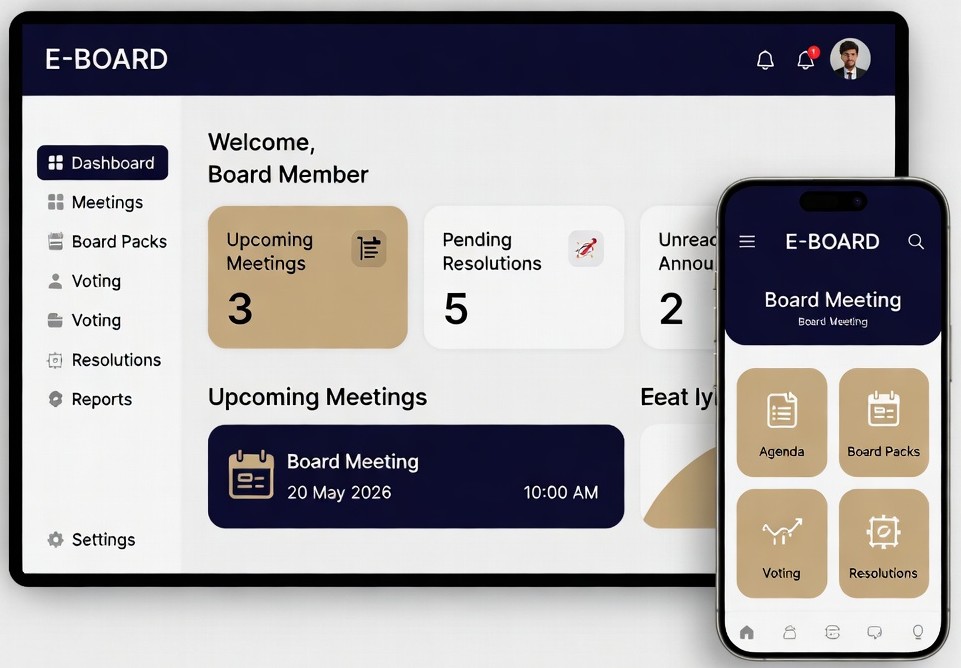
- Governance and e-Board reporting systems
- Learning Management System (LMS) integrations
- AI-based student performance prediction tools
- Document and records management systems
- Compliance and audit tracking tools
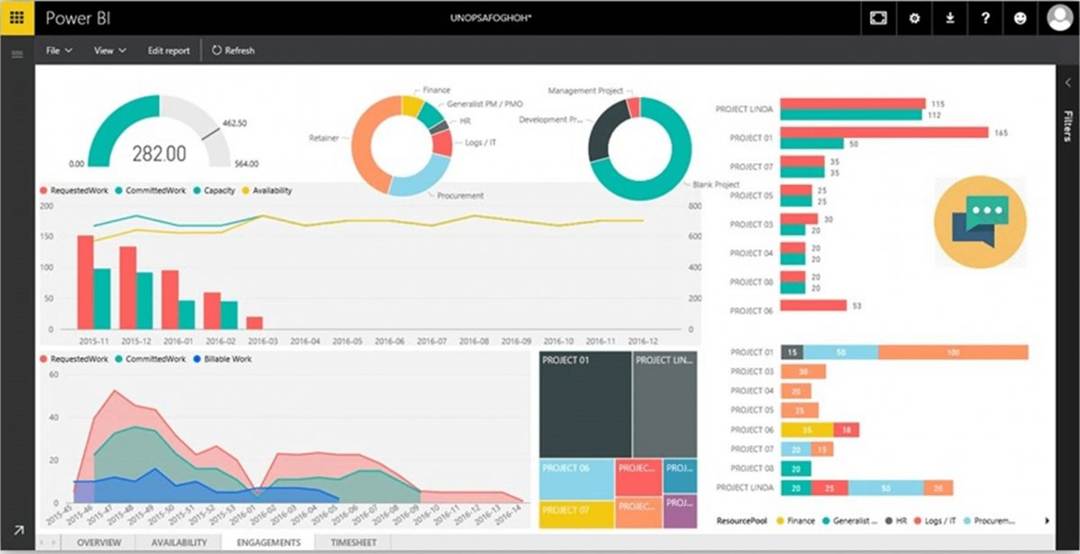
These add-ons enhance decision-making by turning raw data into actionable insights. For example, leadership teams can analyze student dropout trends, financial performance, or departmental efficiency in real time.
9. Role of FanisiTech Limited: Enabling End-to-End Digital Transformation
The successful deployment of ERP in large universities requires deep technical expertise and strong understanding of institutional workflows.
FanisiTech Limited plays a strategic role in enabling this transformation by:
- Designing tailored Microsoft Dynamics ERP architectures for higher education institutions
- Implementing and configuring core modules across finance, HR, procurement, and academics
- Developing custom integrations with LMS, research platforms, and national education systems
- Deploying advanced analytics dashboards using Power BI and other tools
- Building add-on solutions such as e-Board systems, reporting engines, and automation tools
- Providing training, change management, and continuous support
Beyond technical implementation, FanisiTech acts as a transformation partner—ensuring that universities fully adopt digital processes and transition from manual operations to data-driven governance.
Building the Future of Intelligent Universities
Large universities can no longer rely on fragmented systems and manual processes to manage increasingly complex operations. The demand for transparency, efficiency, and real-time decision-making requires a unified digital backbone.
Microsoft Dynamics ERP provides that foundation by integrating finance, HR, procurement, student management, research, and facilities into one intelligent system.
When enhanced with add-ons and implemented by experienced partners such as FanisiTech Limited, it becomes more than an ERP system—it becomes a strategic enabler of institutional excellence.
The future of higher education belongs to universities that are digitally connected, data-driven, and operationally efficient. Microsoft Dynamics ERP is at the center of that transformation.
We work closely with your organization to ensure a successful ERP journey—from strategy to execution.
To find us, visit our website https://fanisitech.com/, call our offices (+254743313103), visit our main office [Office Number 718, 7th Floor, KU PLAZA, Haile Sallassie Avenue, Nairobi CBD], or email us on info@fanisitech.com to schedule a FREE DEMO.
The opportunity is clear. The technology is ready.
The next move is yours.
Latest Comments
No comments yet for this post. Be the first to comment
Comment on the blog "Driving Operational Efficiency in Higher Education with Microsoft …"